• OA Management Trends: Viscosupplementation in Knee Osteoarthritis 

    OA Management Trends: Viscosupplementation in Knee Osteoarthritis 

    Knee osteoarthritis (OA) remains one of the most prevalent and challenging musculoskeletal conditions to manage, particularly in patients who are not yet candidates for surgery but continue to experience persistent pain and functional limitation.

    Among non-surgical interventions, intra-articular viscosupplementation using hyaluronic acid (HA) has been widely adopted as a treatment option. However, its role continues to evolve in the context of emerging evidence, guideline variation, and advances in injectable therapies.

    The rationale for viscosupplementation

    Hyaluronic acid is a key component of synovial fluid, contributing to:

    • Lubrication
    • Shock absorption
    • Joint homeostasis

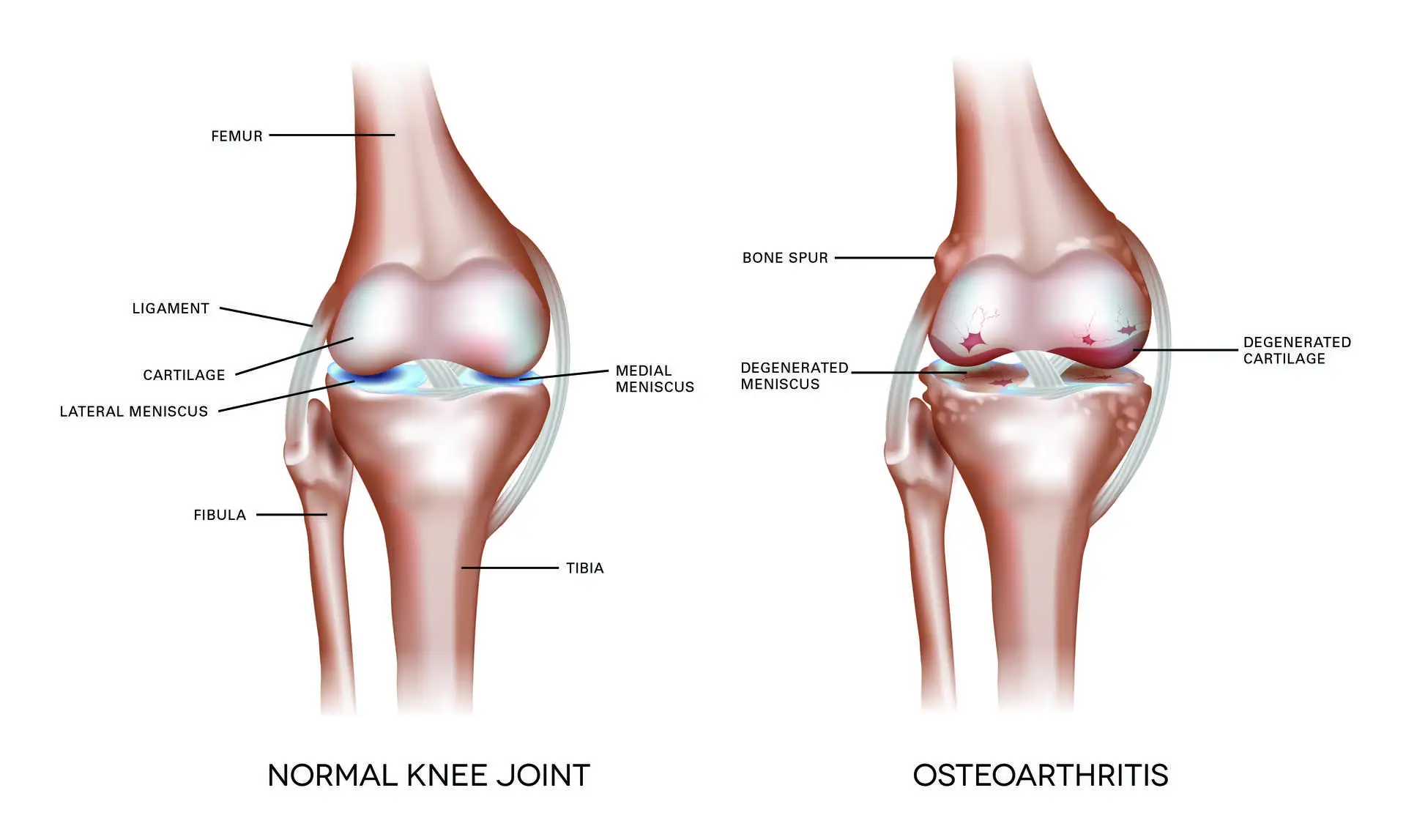
    In osteoarthritic joints, both the concentration and molecular weight of endogenous HA are reduced, leading to impaired viscoelastic properties.

    Intra-articular viscosupplement injections aim to:

    • Restore synovial fluid function
    • Improve joint mechanics
    • Provide symptomatic relief

    In addition to mechanical effects, HA is thought to have:

    • Anti-inflammatory properties1
    • Effects on nociception1
    • Potential to support cartilage protection1

    Clinical effectiveness: what does the evidence show?

    Clinical studies suggest that HA injections can provide:

    • Modest to moderate pain relief
    • Improvement in joint function
    • A delayed onset of action (typically several weeks)
    • Duration of benefit lasting several months2

    However, outcomes can vary significantly depending on:

    • Product characteristics (e.g. HA dose, molecular weight, cross-linking)
    • Injection protocol (single vs multiple injections)
    • Patient-specific factors

    Hyaluronic acid vs corticosteroid injections

    Intra-articular hyaluronic acid and corticosteroids are both widely used in the management of knee OA, but they offer distinct and complementary clinical profiles.

    Corticosteroid injections are typically associated with the rapid onset of pain relief, often within days, making them particularly useful in patients with acute inflammatory symptoms. Their effects, however, are generally shorter-lived, with benefits diminishing over a few weeks.

    In contrast, hyaluronic acid injections tend to have a slower onset of action but may provide more sustained symptom improvement over several months.2

    These differences are clinically relevant when aligning treatment choice with patient needs, highlighting the importance of considering both speed and durability of response when selecting an intra-articular therapy.


    Guideline perspectives: a nuanced landscape

    Recommendations for viscosupplementation differ across major organisations:3,4,5

    • Some guidelines are cautious due to variability in clinical trial outcomes
    • Others support HA use in selected patients, particularly when other conservative treatments have failed

    Across guidelines, there is general agreement that:

    • HA is not always a first-line therapy
    • It may be appropriate for patients seeking to delay surgery
    • Individualised decision-making is essential3,4

    This variability reflects the complexity of the disease as well as differences among available HA products.


    Patient selection: a critical determinant of success

    Not all patients with knee OA respond equally to viscosupplement injections.

    Better outcomes are often observed in:

    • Patients with mild-to-moderate OA
    • Those with predominantly mechanical symptoms
    • Patients without significant synovitis2

    In contrast, patients may experience less predictable benefit with:

    • Advanced structural damage
    • High inflammatory burden

    This has led to increasing interest in more tailored treatment approaches based on patient phenotype.

    Practical considerations in clinical use

    When considering intra-articular viscosupplement injections, clinicians may take into account:

    • Treatment goals (rapid relief vs sustained improvement)
    • Patient expectations
    • Injection frequency and burden
    • Prior response to therapies

    Single-injection formulations are increasingly used for:

    • Convenience
    • Reduced procedural burden2

    Evolving approaches: addressing the clinical gap

    One of the ongoing challenges in knee OA management is balancing:

    • Rapid symptom relief
    • Sustained functional improvement

    Traditional intra-articular options often address one of these aspects more strongly than the other.

    This has led to growing clinical interest in:

    • Combination approaches
    • Treatments designed to provide both early pain relief and longer-term benefit
    • Strategies that integrate anti-inflammatory and biomechanical mechanisms

    These approaches aim to better align treatment effects with the complex and multifactorial nature of OA.

    Conclusion

    Viscosupplementation remains an important component of the non-surgical management of knee osteoarthritis, particularly in appropriately selected patients.

    While its clinical role continues to be refined, key considerations include:

    • The variability among HA products
    • The importance of patient selection
    • The need to balance onset and duration of effect

    As treatment paradigms evolve, there is increasing focus on approaches that go beyond traditional categorisation, reflecting a more integrated understanding of OA pathophysiology and patient needs.


  • Clinical Best Practices: From Guidelines to Practice

    Clinical Best Practices: From Guidelines to Practice

    Optimising Outcomes with Intra-Articular Therapies in Knee OA

    While clinical guidelines provide a useful framework for managing knee osteoarthritis (OA), translating these recommendations into day-to-day clinical practice is often less straightforward.

    In reality, treatment decisions are shaped not only by evidence, but also by:

    • Individual patient characteristics
    • Symptom patterns
    • Clinical experience

    Among non-surgical options, intra-articular injections, such as viscosupplements or steroids remain widely used. However, outcomes can vary, and small differences in approach can have a meaningful impact on results.

    This blog focuses on practical considerations that can help optimise outcomes, drawing on common challenges observed in routine clinical care for knee osteoarthritis.

    Moving beyond criteria: applying patient selection in practice

    Guidelines often highlight general characteristics of suitable patients, but in clinic, decisions are rarely black and white. Recommendations vary across major organisations, reflecting differences in how evidence is interpreted and applied in practice.1,2

    In practice, clinicians may encounter patients who sit “in-between” categories, for example:

    • Moderate radiographic changes but significant pain
    • Predominantly mechanical symptoms with intermittent inflammation
    • Active patients seeking to maintain function rather than simply reduce pain

    In these scenarios, decision-making often comes down to:

    • The primary driver of symptoms (inflammatory vs mechanical)
    • Patient expectations
    • Previous treatment response

    Equally important is recognising when not to treat, even if basic criteria are met – for example, in patients with:

    • Advanced structural changes unlikely to respond
    • Unrealistic expectations of treatment outcomes

    Common pitfalls in clinical practice

    Even when patient selection is appropriate, several factors can limit treatment effectiveness:

    1. Treating too late in the disease pathway
      Patients with advanced osteoarthritis may be less responsive to intra-articular injections, particularly where structural damage predominates1
    2. Misalignment between treatment and symptom profile
      Treatments that primarily address inflammation may not perform as expected in patients with predominantly mechanical symptoms, and vice versa
    3. Inadequate expectation setting
      Patients anticipating immediate or complete relief may perceive treatment as ineffective, even when clinically meaningful improvement occurs
    4. Over-reliance on a single intervention
      Intra-articular injections should be considered as part of a broader management strategy, rather than a standalone solution1

    Practical considerations for injection

    While injection technique is often well established, small details can influence outcomes:

    • Ensuring accurate intra-articular placement remains critical
    • Consistency in technique can improve reproducibility of results
    • For some clinicians, image guidance may support accuracy, particularly in more challenging cases

    In addition, attention to:

    • Patient positioning
    • Joint effusion (if present)
    • Overall procedural consistency

    can contribute to more predictable outcomes.

    Managing patient expectations

    A key determinant of perceived success is how well expectations are explained before treatment.

    Patients should understand that:

    • Symptom relief may not be immediate in all cases
    • The degree and duration of response can vary1
    • The goal is often improvement in function and quality of life, rather than complete symptom resolution

    Clear communication helps:

    • Improve patient satisfaction
    • Reduce premature judgement of treatment failure
    • Support more appropriate follow-up decisions

    Assessing response and planning next steps

    Follow-up is an essential but sometimes overlooked aspect of care.

    Clinicians may consider:

    • Timing of reassessment
    • Functional improvement (not just pain scores)
    • Duration of response

    This allows for more informed decisions regarding:

    • Repeat treatment
    • Alternative approaches
    • Progression along the treatment pathway

    Balancing onset and durability in treatment choice

    One of the practical challenges in knee OA management is addressing both rapid symptom relief and sustained functional improvement. While clinical guidelines provide a useful framework, they also highlight variability in how intra-articular therapies are positioned, reinforcing the need for individualised decision-making.1,2

    In practice, different intra-articular therapies may emphasise one of these aspects more than the other. Corticosteroids are typically associated with a faster onset of pain relief, particularly in patients with inflammatory symptoms, whereas hyaluronic acid may offer more sustained improvement over time, particularly in appropriately selected patients.3

    This distinction is clinically important when aligning treatment choice with patient needs. Patients presenting with acute pain or inflammation may prioritise rapid relief, while others may benefit more from approaches aimed at longer-term functional improvement. As a result, there is increasing interest in strategies that better balance these competing priorities, reflecting a broader shift towards more tailored and mechanism-aligned treatment approaches in knee OA management.1

    Conclusion

    Optimising outcomes with intra-articular therapies in knee osteoarthritis extends beyond guideline recommendations.

    In practice, success is often influenced by:

    • Nuanced patient selection
    • Attention to technique
    • Clear communication with patients
    • Ongoing assessment and adjustment of the treatment plan

    As clinical approaches continue to evolve, there is increasing value in moving from protocol-driven decisions towards individualised, experience-informed care, aimed at achieving meaningful improvements in patient outcomes.